All Episodes

Displaying 1 - 20 of 30 in total

#28

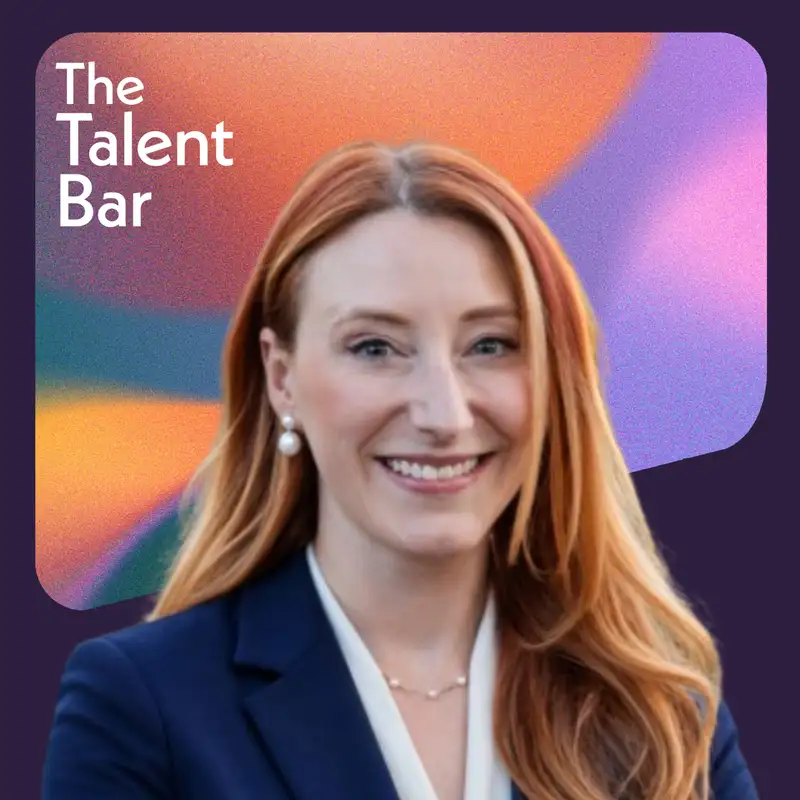
Speed Up the Good, Fix the Bad with Karin Wagner

Karin Wagner has spent 20 years building the operational engines behind talent acquisition. She started as a CPA, used an MBA to move into HR, and built a machine learning hiring model in 2016, before most of TA was talking about AI. Today she’s VP of Talent Acquisition Operations at Empower Pharmacy. In this episode, she talks with Colleen about why AI speeds up the good and the bad, what it means to see inside the black box of hiring manager interviews, and why quality of hire is everyone’s job. Karin also shares what changes when talent reports straight to the CEO, how a farm kid turned CPA found her way into recruiting, and why her house is currently full of elite figure skaters.   Takeaways: Learn the business before you try to hire for it. Use AI to research competitors and how the company wins, then ask your business partners a little at a time about their next big goal. The best recruiters Karin has worked with are subject matter experts in the business they support. Fix the process before you add AI to it. AI only speeds up whatever you already built, so a three-stage-too-long process just fails faster. Get the job description and the fundamentals right first. Ask what you’re doing with the hours AI saves you. Hours saved is not the win. Reinvest that time in consulting with hiring managers, improving candidate experience, or evaluating talent better, then check that you’re getting the outcome you actually wanted. Make vendors prove it before you buy it. Pilot new AI tools against a measurable outcome, and ask every vendor for their innovation roadmap. Then pick two or three things to get really good at, because trying to do everything will burn out your recruiters. Share quality of hire instead of passing it around. TA, hiring managers, and even onboarding all play a part in whether a hire works out. When everyone owns the metric, nobody can point the finger at someone else. Quote of the Show: “The real story behind AI is what are you doing with the hours you are saving? I’ve said AI does speed up both the good and the bad.” - Karin Wagner Links: LinkedIn: https://www.linkedin.com/in/karin-wagner-b26500/ Website: ​​https://www.empowerpharmacy.com/ Ways to Tune In: The Talent Bar: https://thetalentbarpodcast.com/  Spotify: https://open.spotify.com/show/6j8LK95YtqW7ZMU4kwBNgR   Apple Podcasts: https://podcasts.apple.com/us/podcast/the-talent-bar/id1891705495  Amazon Music: https://music.amazon.com/podcasts/b7f77aa2-de4c-4e5c-b5de-cfe60fe39c77   iHeart Radio:https://www.iheart.com/podcast/1333-the-talent-bar-328811219 YouTube: https://www.youtube.com/@TheTalentBar
#27

Stay Inquisitive with Britt-Angela (Williams) Ward

Britt-Angela Williams-Ward ran her own boutique staffing firm for over eight years, then took her talent acquisition career in-house at one of the largest health systems in the country. Today she leads talent acquisition at Cape Fear Valley Health in rural North Carolina, where her team ranks among the top AI-powered sourcing tool users in the world. In this episode, she talks with Colleen about her "four E's" framework, why remembering the details about a candidate is the most underrated recruiting skill, and how a rural health system went from outside the top 100 to the top 20 healthcare employers in its state. She also explains how her team uses AI to resurface past applicants, why she always asks nurses why they got into nursing, and what it means to be both the gatekeeper and the ambassador for the people who care for your community.   Takeaways: Keep a file on every candidate, even the ones who aren't right for the role today. When a new opening comes up, reaching out with details they shared shows them they were never just a number. Ask hiring managers what isn't on the job description. Work those intangibles into the posting and the intake form, and sit in on a couple of their interviews to learn the why behind their questions. Before you spend a dollar on job ads, use AI to resurface past applicants already in your ATS. They've shown interest before, so they're far more likely to say yes to an interview, and it can shave about two weeks off a hire. Ask candidates why they chose their field, then listen for the personal story. If they can get to the why, you likely have the right person, and if they can't, that tells you something too. Get out from behind the video call and spend time where your hires actually work. Rounding on units monthly builds credibility with hiring managers and helps you describe the culture to candidates with real authority.  Quote of the Show: "We are the shining lights that are bringing people in the door, but we're also the gatekeepers." - Britt-Angela Williams-Ward Links: LinkedIn: https://www.linkedin.com/in/brittangelaward/ Website: https://www.capefearcareers.com/ Ways to Tune In: The Talent Bar: https://thetalentbarpodcast.com/  Spotify: https://open.spotify.com/show/6j8LK95YtqW7ZMU4kwBNgR   Apple Podcasts: https://podcasts.apple.com/us/podcast/the-talent-bar/id1891705495  Amazon Music: https://music.amazon.com/podcasts/b7f77aa2-de4c-4e5c-b5de-cfe60fe39c77   iHeart Radio:https://www.iheart.com/podcast/1333-the-talent-bar-328811219 YouTube: https://www.youtube.com/@TheTalentBar
#26

Hiring Is a Team Sport with Daniel Dale

Daniel Dale started his career carrying a quota in enterprise security sales, then built his own recruiting agency before moving in-house. Nearly 10 years later, he leads talent acquisition across EMEA and APJ at Tenable. In this episode, he talks with Colleen about why understanding the business matters more than filling reqs, how he separates business problems from recruitment problems, and why quality of hire belongs to everyone. He also shares how recording and reviewing interviews has become his team's "thousand hours of tape," how Tenable handles candidate fraud, and the charity cycling ride that has him climbing Mont Ventoux in memory of his mother.   Takeaways: Learn the business you're hiring for. Recruiters who understand what the company needs and want to see their hires succeed do better work than those who just fill seats. Ask yourself whether you're invested in the end result or just the offer letter. Sort your problems into two camps: recruitment problems and business problems. If your team has done everything from kickoff to a strong slate of candidates, decisions about hiring now, later, or not at all sit with the business. Know where your job ends so you can support your team through the pressure. Treat quality of hire as a shared responsibility. When a hire doesn't work out, look back at the interview, the onboarding, and the environment without pointing fingers. Use backfills as a chance to ask what's changed and what you don't want to repeat. Review your interview recordings the way athletes review game tape. Have people watch themselves back first and frame it as coaching rather than inspection. You'll build better interviewers, get better data, and protect your team if a candidate disputes what happened. Fight candidate fraud at every stage of the process. Be upfront about requirements like no virtual backgrounds and ID checks, and never make an offer without meeting the person face to face. When your gut says something is off, press on it. Quote of the Show: "We never make an offer without actually meeting that person face to face." - Daniel Dale Links: LinkedIn: https://www.linkedin.com/in/dadale/ Website: https://www.tenable.com/ Ways to Tune In: The Talent Bar: https://thetalentbarpodcast.com/  Spotify: https://open.spotify.com/show/6j8LK95YtqW7ZMU4kwBNgR   Apple Podcasts: https://podcasts.apple.com/us/podcast/the-talent-bar/id1891705495  Amazon Music: https://music.amazon.com/podcasts/b7f77aa2-de4c-4e5c-b5de-cfe60fe39c77   iHeart Radio:https://www.iheart.com/podcast/1333-the-talent-bar-328811219 YouTube: https://www.youtube.com/@TheTalentBar
#25

The Rebuild with Vikki Costello

Vikki Costello has spent nearly 15 years at Pariveda, growing through six different roles to become Senior Director of Talent Acquisition at the employee-owned tech consulting firm. In this episode, she talks with Colleen about what it took to rebuild her team from nearly 30 people down to eight, why curiosity and diagnostic thinking are the traits she looks for most in a recruiter, and how bringing in interview intelligence software and migrating ATS platforms helped her team scale without adding headcount. Vikki also shares how Pariveda's employee ownership shapes a culture of radical transparency, and why AI has made critical thinking, not automation, the skill that will set recruiters apart in the years ahead.   Takeaways: Curiosity is the trait that separates good recruiters from great ones. Vikki looks for people who are diagnostic, who dig into why something is happening instead of letting it slide. In a field as unpredictable as recruiting, that instinct to ask "why" catches problems before they become bigger ones. Rebuilding a team is a chance to build utility players, not just replace headcount. When Vikki's team shrank from nearly 30 to eight, she cross-trained everyone to run and cover multiple functions instead of simply backfilling roles. That flexibility is what let the team scale again without ballooning in size. Build the business case before you build the tool. Before bringing in interview intelligence software, Vikki mapped out interview counts and time to hire so leadership could see exactly where the investment would pay off. Running a pilot with senior stakeholders first turned early skeptics into advocates. Partner fit matters as much as product fit. When Vikki's team evaluated new platforms, they weighed vendor relationship and hand-holding just as heavily as features, especially as a smaller organization. Choosing a partner who can grow with you beats chasing the flashiest tool on the market. AI can speed up screening, but critical thinking is what will set recruiters apart. Vikki's team uses AI carefully, with guardrails, to manage volume like 8,000 applicants for a single role. She believes the recruiters who can think critically about fraud, fit, and candidate behavior are the ones who will matter most as AI reshapes hiring. Quote of the Show: "Critical thinking is what's probably gonna help set us apart as a recruiting team in this next wave of work." - Vikki Costello Links: LinkedIn: https://www.linkedin.com/in/vikkicostello/ Website: https://parivedasolutions.com/ Ways to Tune In: The Talent Bar: https://thetalentbarpodcast.com/  Spotify: https://open.spotify.com/show/6j8LK95YtqW7ZMU4kwBNgR   Apple Podcasts: https://podcasts.apple.com/us/podcast/the-talent-bar/id1891705495  Amazon Music: https://music.amazon.com/podcasts/b7f77aa2-de4c-4e5c-b5de-cfe60fe39c77   iHeart Radio:https://www.iheart.com/podcast/1333-the-talent-bar-328811219 YouTube: https://www.youtube.com/@TheTalentBar
#24

Do What's Right with Mawulom Nenonene

Mawulom Nenonene spent nearly seven years building weapon systems for the US Department of Defense as a mechanical engineer before an unexpected pivot took him into technical sourcing at Google, and from there into a decade of building and leading talent functions at Thumbtack, BetterUp, the Long Term Stock Exchange, and Point. In this episode, he talks with Colleen about the real difference between a good recruiter and a great one, why he gives every new sourcing tool a strict four to six week trial, and how he's building a recruiting engine from scratch as Flux scales from 18 to 80 people. Mawulom also opens up about the personal loss that redirected his entire career, why he believes consistency matters more than kindness when it comes to earning trust, and why "culture add" has replaced "culture fit" in how he hires. Takeaways: Good recruiters know the job. Great ones know the why. Understanding an organization's disposition and gaps, not just filling a seat, is what separates a recruiter who hits targets from one who actually shapes the team. If you're not steeped in the "why" behind a role, you're optimizing for the wrong outcome. No action can beat the wrong action. Moving fast with an untested process (like blasting thousands of automated messages to the wrong candidates) does more damage to your brand than simply pausing to figure out the right approach. If you don't know what to do yet, it's often better to do nothing than to guess loudly. Give new tools, and new roles, a real runway before judging them. Mawulom tests every sourcing tool for four to six weeks minimum, watching not just results but responsiveness to feedback. The same patience applies to people: expect a real learning curve before writing off a new hire, a new process, or yourself in a new industry. Consistency builds trust faster than charm does. Mawulom has learned to judge leaders less by how pleasant they are in the moment and more by whether they apply their principles the same way every time, good day or bad. A leader who is tough but fair, consistently, is more trustworthy than one who's warm but plays favorites. Hire for culture add, not culture fit. When you're building a high-performance team, the goal isn't finding people who match the existing vibe, it's finding people who bring something the team doesn't have yet. Culture fit protects what already exists; culture add pushes it forward. Quote of the Show: "A good recruiter is an individual that knows the job. A great recruiter is someone that understands the why." - Mawulom Nenonene Links: LinkedIn: https://www.linkedin.com/in/mawulom/ Website: https://www.flux.ai/p Ways to Tune In: The Talent Bar: https://thetalentbarpodcast.com/  Spotify: https://open.spotify.com/show/6j8LK95YtqW7ZMU4kwBNgR   Apple Podcasts: https://podcasts.apple.com/us/podcast/the-talent-bar/id1891705495  Amazon Music: https://music.amazon.com/podcasts/b7f77aa2-de4c-4e5c-b5de-cfe60fe39c77   iHeart Radio:https://www.iheart.com/podcast/1333-the-talent-bar-328811219 YouTube: https://www.youtube.com/@TheTalentBar
#23

The Long Game with Dana Neiger

Dana Neiger spent eight years running her own recruiting firm focused on transportation engineering before stepping into talent acquisition leadership at Barge Design Solutions, a 70-year-old, employee-owned AEC firm with plans to grow from 700 to 1,000 employees in under two years. In this episode, she talks with Colleen about why relationship-based recruiting is non-negotiable in a talent pool small enough that everyone knows everyone, how she built new metrics like the recruiter maintenance ratio to tell the TA value story to leadership, and why AI has made tailoring a resume, not outsourcing it, more important than ever. Dana also shares how she coaches new recruiters through what she calls a three-year relationship-building runway, and why being willing to say no to a hiring manager, with real reasons behind it, is one of the most valuable things a recruiter can do. Takeaways: Relationships you build today aren't for today. In niche, tight-knit industries especially, the person you meet now may become the hire, the referral, or the open door two or three years from now. Treat every relationship like it's for the future, not just the immediate need. Building trust with hiring managers means being willing to say no. Dana coaches her team to decline candidates when there's a real risk, backed by facts instead of emotion. That confidence is what turns a recruiter into a strategic advisor hiring managers keep coming back to. New industries take time to master, so plan for it. Dana tells recruiters entering AEC to expect roughly three years before they can tap their own network instead of starting from scratch. Setting that expectation upfront keeps people from getting discouraged early. Separate your metrics to find the real story. When Dana split time to fill into average and median, she found a handful of highly technical, senior roles were skewing the numbers while most positions were actually performing at or better than benchmark. Look past the headline number before deciding something is broken. AI has made it easier to fake a fit and harder to spot a real one. Dana still expects candidates to tailor their resumes and research the company themselves rather than hand a job description to AI and call it done. That extra effort is often what shows a candidate genuinely wants the role. Quote of the Show: "You must understand empathy and compassion in order to be a recruiter." - Dana Neiger Links: LinkedIn: https://www.linkedin.com/in/dana-neiger/ Website: https://www.bargedesign.com/ Ways to Tune In: The Talent Bar: https://thetalentbarpodcast.com/  Spotify: https://open.spotify.com/show/6j8LK95YtqW7ZMU4kwBNgR   Apple Podcasts: https://podcasts.apple.com/us/podcast/the-talent-bar/id1891705495  Amazon Music: https://music.amazon.com/podcasts/b7f77aa2-de4c-4e5c-b5de-cfe60fe39c77   iHeart Radio:https://www.iheart.com/podcast/1333-the-talent-bar-328811219 YouTube: https://www.youtube.com/@TheTalentBar

#22

Reading The Room with Jennifer Neef

Jennifer Neef has spent more than two decades building one of the largest career services operations in the country at the University of Illinois Urbana-Champaign, working with 40,000 students a year and coordinating over 150 career professionals across campus. In this episode, she talks with Colleen about what she's actually seeing on the ground as AI reshapes how students apply for jobs, why internships have become the clearest signal employers can get, and how the shift away from name-brand employers is opening doors at small and mid-sized companies. Jennifer also shares her own winding path from animal science and 4-H education to running career services at one of the country's biggest public universities, and what that unlikely journey has taught her about telling students to stop planning ten years ahead. Takeaways: AI has made it easier to apply to everything and harder to stand out doing it. Jenny coaches students to resist the "apply to 500 jobs" instinct and instead get specific about their interests, values, and skills, then use that clarity to build a targeted search with real outreach and networking. An internship isn't just a resume line, it's proof of work. Students who've done one are landing full-time roles at twice the rate of those who haven't, because employers finally get a real signal instead of a polished application. When big-name employers pull back, smaller and mid-sized companies get a shot at overlooked talent, but only if students do the work to find them. Jenny's team is focused on surfacing opportunities at organizations that don't have a consumer brand or a big recruiting budget behind them. Watch what's happening in assessment as a leading indicator for hiring. Paper and pencil exams and in-person testing centers are making a comeback, not out of nostalgia, but because institutions need a real read on whether people can think and decide for themselves. Tell students to stop building a ten-year plan. Jenny's advice, born out of her own unplanned career path, is to build resilience instead of rigidity, since the opportunities that end up mattering most are rarely the ones anyone saw coming. Quote of the Show: "We're spending a lot of our time helping students really think through what are their interests, what are their values, how are their skills aligned with the needs of employers, and figuring out their own authentic self." - Jennifer Neef Links: LinkedIn: https://www.linkedin.com/in/jenniferneef/ Website: https://illinois.edu/ Ways to Tune In: The Talent Bar: https://thetalentbarpodcast.com/  Spotify: https://open.spotify.com/show/6j8LK95YtqW7ZMU4kwBNgR   Apple Podcasts: https://podcasts.apple.com/us/podcast/the-talent-bar/id1891705495  Amazon Music: https://music.amazon.com/podcasts/b7f77aa2-de4c-4e5c-b5de-cfe60fe39c77   iHeart Radio:https://www.iheart.com/podcast/1333-the-talent-bar-328811219 YouTube: https://www.youtube.com/@TheTalentBar
#21

Retention Starts At Recruiting with Robyn Vasko

Robyn Vasko has spent over 25 years in talent acquisition, including leading recruiting for healthcare systems as large as 14 hospitals, 40,000 employees, and 10,000+ hires a year. In this episode, she talks with Colleen about the year and a half she spent as a stage four colon cancer patient inside the very kind of healthcare system she used to staff, and how that experience reshaped the way she thinks about hiring, retention, and the people behind the roles. Robyn shares why she believes retention starts at recruiting, how a former employer hired and kept her through chemotherapy, why she trains recruiters to challenge hiring managers instead of just filling requisitions, and where she draws the line on AI in the interview process. She's currently the Director of Talent Strategy and Consulting at The Talent Advisory.   Takeaways: Retention starts at recruiting, not on day one. The first impression a candidate gets, whether that's a fast callback or three months of silence, tells them exactly how much the organization will care about them once they're hired. Slow, silent hiring processes have a cost. When a candidate applies and hears nothing for months, don't be surprised when they've moved on, or when they tell others not to bother applying either. Good recruiters challenge hiring managers, they don't just fill requests. Pushing back on "just add more interviews" protects the candidate experience, speeds up time to hire, and builds trust as a strategic advisor rather than an order-taker. AI can accelerate the process, but it shouldn't replace the human moments that matter most. Use it to respond faster and keep candidates warm in the pipeline, not to conduct the conversations where real connection gets built. For frontline and clinical roles especially, assess for resilience and humanity, not just clinical skill. Asking what someone needs from their team, or how they've recovered from a hard day, surfaces the traits that actually predict whether they'll stay. Quote of the Show: "We can assess for things like resilience, and discover who they are as a human, not just as a worker." - Robyn Vasko Links: LinkedIn: https://www.linkedin.com/in/robyn-vasko-884b014/ Website: https://www.pumpupyourtalent.com/ Ways to Tune In: The Talent Bar: https://thetalentbarpodcast.com/  Spotify: https://open.spotify.com/show/6j8LK95YtqW7ZMU4kwBNgR   Apple Podcasts: https://podcasts.apple.com/us/podcast/the-talent-bar/id1891705495  Amazon Music: https://music.amazon.com/podcasts/b7f77aa2-de4c-4e5c-b5de-cfe60fe39c77   iHeart Radio:https://www.iheart.com/podcast/1333-the-talent-bar-328811219 YouTube: https://www.youtube.com/@TheTalentBar

#20

Treat Hiring Like a Product with Sarah-Jayne Lehtinen

Sarah-Jayne Lehtinen never planned on a career in HR. She spent four years as an elementary school teacher, seven years at an aerospace company, and the last decade building the entire people function at ed-tech company Prodigy Education, where she now serves as Chief People Officer. In this episode, she talks with Colleen about borrowing a page from the sales playbook, literally handing her recruiting team a copy of the HubSpot Sales Acceleration Formula and mapping the hiring funnel stage by stage, why she believes the best recruiters treat hiring like a product, and how her team screens for culture fit without sliding into similar-to-me bias. Sarah-Jayne also shares how team heat maps and quarterly squad health checks help her figure out which teams are actually delivering, and the mindset shift, from survey fatigue to lack of action fatigue, that transformed employee participation at Prodigy.   Takeaways: Treat recruiting like a product. The best recruiters and recruiting teams stay in constant experimentation mode instead of getting attached to how things have always been done. Testing, learning, and iterating raises the bar over time, both for individuals and for the whole function. Borrow the sales playbook for your funnel. Sarah-Jayne modeled Prodigy's recruiting pipeline on HubSpot's Sales Acceleration Formula, tracking every stage to see where candidates drop off. The right number of interview stages isn't fixed, it moves with the labor market, so revisit it as hiring conditions change. Culture fit isn't about hiring people who remind you of yourself. It's about finding people who will thrive in your environment and make the people around them better, and it should be assessed through conversation, not resume screening. Train dedicated people to spot it consistently, the way Amazon's bar raiser model does. Survey fatigue is really lack of action fatigue. People keep answering surveys and giving feedback when they see leadership actually act on it. Follow up, communicate clearly, and hold managers accountable, and participation follows. Give AI-assisted work a pass, as long as candidates can speak to it. Let people use AI on take-home projects or case studies, then use the interview to focus on whether they truly understand and can explain what they produced. Quote of the Show: "The best recruiters and the best recruiting teams treat hiring like a product." - Sarah-Jayne Lehtinen Links: LinkedIn: https://www.linkedin.com/in/sarah-jayne-lehtinen-051702a1/ Website: https://www.prodigygame.com/main-en?direct=true&_gl=1*bxou4a*_up*MQ..*_gs*MQ..&gclid=CjwKCAjws_DTBhB_EiwAXZknGdzQuurNk-rr0kQCFy0N5yACR6hPa3ha5FA6Gy9xCFq89rNsbqh5IhoCd70QAvD_BwE&gbraid=0AAAAADECvhvBWbwaxUsthQXf-iFNPfWGw Ways to Tune In: The Talent Bar: https://thetalentbarpodcast.com/  Spotify: https://open.spotify.com/show/6j8LK95YtqW7ZMU4kwBNgR   Apple Podcasts: https://podcasts.apple.com/us/podcast/the-talent-bar/id1891705495  Amazon Music: https://music.amazon.com/podcasts/b7f77aa2-de4c-4e5c-b5de-cfe60fe39c77   iHeart Radio:https://www.iheart.com/podcast/1333-the-talent-bar-328811219 YouTube: https://www.youtube.com/@TheTalentBar
#19

High Volume Hiring & Real Trust with Sofie Roberge

Sofie Roberge has hired at a scale most recruiters never see, from staffing 1,200 roles in 18 months to get a Lucid Motors EV factory production-ready, to leading talent acquisition roles at Apple and Canva. In this episode, she talks with Colleen about how her team at A1 Garage Door Service processes roughly 100,000 applications a year with just four recruiters, why she thinks the "AI is rejecting candidates" narrative on LinkedIn is mostly a myth, and how her deep operations background shapes the way she partners with the business. Sofie also gets into what it actually takes to build a measurable definition of quality of hire, and why she believes the skilled trades are having a real moment right now.   Takeaways: Responsiveness is non-negotiable. At A1, every one of the roughly 100,000 applicants they get each year is processed within two days, and that speed is a direct reflection of how much the company cares about its candidates and its brand. Let AI handle the volume, not the judgment. Sofie's team uses AI criteria to shortlist thousands of applicants in minutes, but a human still reviews every single resume before anyone is rejected. A polished, AI-assisted resume isn't automatically a red flag. Candidates are using AI to write more consistent, professional resumes, and the job now is to look past the polish and verify fit through real conversation. Get embedded in the business you support. Sofie knows her company's operating metrics, shows up to technician meetings, and speaks the same language as her hiring managers, which is what earns recruiting real credibility. Quality of hire is measurable if you build for it. Early turnover, hiring manager satisfaction surveys, and performance benchmarks turn a fuzzy concept into something a team can actually track and act on. Quote of the Show: "AI is not the problem. If you've got the qualifications, AI will surface you." - Sofie Roberge Links: LinkedIn: https://www.linkedin.com/in/sofie-roberge/ Website: https://a1garage.com/ Ways to Tune In: The Talent Bar: https://thetalentbarpodcast.com/  Spotify: https://open.spotify.com/show/6j8LK95YtqW7ZMU4kwBNgR   Apple Podcasts: https://podcasts.apple.com/us/podcast/the-talent-bar/id1891705495  Amazon Music: https://music.amazon.com/podcasts/b7f77aa2-de4c-4e5c-b5de-cfe60fe39c77   iHeart Radio:https://www.iheart.com/podcast/1333-the-talent-bar-328811219 YouTube: https://www.youtube.com/@TheTalentBar
#18

Talent Is a Business Lever with Yolanda Hawkes

Yolanda Hawkes has spent more than 20 years building recruiting operations inside some of the most complex, high-volume environments in the country, from manufacturing and aviation to AWS, along with a side chapter advising professional athletes on career transitions. In this episode, she talks with Colleen about why curiosity and lifelong learning separate the best recruiters from the rest, how she approaches turnover as a root-cause problem rather than a "just hire better" problem, and why AI should give recruiters information, not make the decision for them. Yolanda also the advice she'd give her newly graduated self about networking long before you need anything from anyone.   Takeaways: Curiosity is a hiring superpower. The recruiters Yolanda trusts most are genuinely curious about their candidates, their hiring leaders, and the business itself, and they treat staying current as part of the job, not an extra. Fix turnover with root cause analysis, not finger-pointing. When turnover runs high, Yolanda pushes TA and HR to dig into whether the issue lives in the screening process or with a struggling supervisor instead of blaming each other. Candidates are customers too. Yolanda's early years hiring taught her that even in high-volume, hard-to-fill roles, the people applying are customers of the business, and that shapes every interaction she has with them. Let AI inform the decision, don't let it make the decision. Yolanda has used AI screening tools to bring efficiency to high-volume hiring, but she draws a hard line at letting a tool make the final call on a person. Talent is a business lever, not an HR function. Whether it's staffing a plane crew or building a diversity pipeline from scratch, having the right people in place at the right time drives real business outcomes, and treating recruiting that way is how you earn a seat at the table.  Quote of the Show: "Talent is not an HR function, it's a business lever." - Yolanda Hawkes Links: LinkedIn: https://www.linkedin.com/in/yolandahawkes/ Website: https://www.linkedin.com/company/gat-airline-ground-support/ Ways to Tune In: Recruiters On The Rise Website: https://recruitersontherise.com/ Spotify: https://open.spotify.com/show/6j8LK95YtqW7ZMU4kwBNgR  Apple Podcasts: https://podcasts.apple.com/podcast/recruiters-on-the-rise/id1891705495   Amazon Music: https://music.amazon.com/podcasts/b7f77aa2-de4c-4e5c-b5de-cfe60fe39c77  iHeart Radio: https://iheart.com/podcast/328811219/  YouTube: https://www.youtube.com/@recruitersontherise 
#17

Going Slow to Go Fast with Jennifer Paxton

Jen Paxton just got promoted to SVP of People and Talent at Roofr, and she's earned it: an opera degree, three startup acquisitions, and a co-founded company (also acquired) later, she's built a people function that runs on urgency without sacrificing quality. In this episode, she talks with Colleen about why speed and momentum are everything once a candidate is in process, how "going slow to go fast" with hiring managers at the intake stage actually shortens time to hire, and why quality of hire is never one single metric. Jen also opens up about what it took to earn a seat at the leadership table as a people leader, and how her opera background sneaks its way into her day job more than she'd like to admit.   Takeaways: Momentum is everything once a candidate is in process. The high they feel after a great interview fades fast, and any lull in communication opens the door to doubt, so recruiters need to keep things moving instead of letting a hiring manager sit on a decision. If a hiring manager is on the fence about a candidate, that's usually a no. Jen coaches managers to move on rather than let decision paralysis drag out a process and risk keeping a good candidate warm for too long. Slowing down at the very start of a search saves time later. A real intake conversation, or even having a hiring manager source three LinkedIn profiles themselves, forces them to name what they're actually looking for instead of defaulting to "I'll know it when I see it." Quality of hire isn't one number. Jen looks at ramp-up time, first-year turnover, nine-box placement after the first review cycle, and a simple gut check she asks every manager at 60 days: would you rehire this person? Knowing the business, not just headcount, is what earns people leaders real influence. Jen credits understanding company strategy and speaking the language of the leadership team with the trust that helped land her promotion to SVP. Quote of the Show: "Not every culture is for a person, not every company is." - Jen Paxton Links: LinkedIn: https://www.linkedin.com/in/jenpaxton/ Website: https://roofr.com/ Ways to Tune In: Recruiters On The Rise: https://recruitersontherise.com/ Spotify: https://open.spotify.com/show/6j8LK95YtqW7ZMU4kwBNgR  Apple Podcasts: https://podcasts.apple.com/podcast/recruiters-on-the-rise/id1891705495   Amazon Music: https://music.amazon.com/podcasts/b7f77aa2-de4c-4e5c-b5de-cfe60fe39c77  iHeart Radio: https://iheart.com/podcast/328811219/  YouTube: https://www.youtube.com/@recruitersontherise 
#16

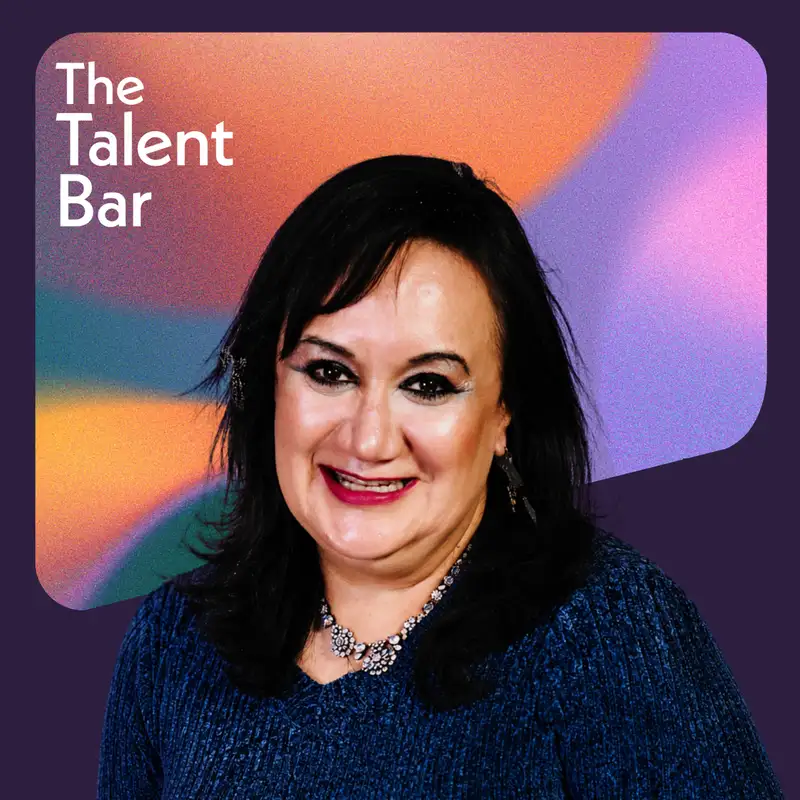
The Professional Cupid with Guillermina Cabello

Guillermina Cabello has spent more than 30 years recruiting IT talent across Mexico, Latin America, and the US, building her own agency from scratch and developing a proprietary screening method along the way. In this episode, she talks with Colleen about what nearshore recruiting really requires, from correcting cultural assumptions about salary bands to navigating TN1 visas and the accent bias that gets mistaken for a language problem. Guillermina also shares why she conducts nearly every interview by phone instead of video to strip out bias, how she coaches candidates even when they're not a fit for the role, and what it's like calling out ageism in an industry that treats her three decades of experience as both an asset and, in some rooms, a liability. Takeaways: Put the candidate's life ahead of your fee. Guillermina says thinking about the long-term impact of a placement on a candidate, not just closing the role, is what builds the kind of trust that keeps opportunities coming back around. Give candidates something useful even when they don't get the job. Guillermina flags resume tweaks or has candidates read English aloud to build fluency before an interview, because recruiters who help regardless of outcome are the ones candidates remember. Nearshore recruiting takes cultural translation, not just a second language. Understanding realities like candidates who worked through school, or an accent that has nothing to do with fluency, keeps good people from getting screened out for the wrong reasons. Roll AI out in small, measurable steps instead of cutting headcount upfront. Guillermina has watched companies rush to replace workers with AI only to end up rehiring, so she recommends testing tools in select areas and reviewing the return on investment before expanding. Market experience as an asset instead of hiding it. Guillermina compares her decades in the industry to wine, something that only gets more valuable with age, even in a market that still treats tenured candidates as a risk instead of a resource. Quote of the Show: "We recruiters are like professional Cupids. You have two individuals, and you have to see if they actually match." - Guillermina Cabello Links: LinkedIn: https://www.linkedin.com/in/guillec/ Website: https://www.ascend-mc.com/ Ways to Tune In: Recruiters On The Rise Website: https://recruitersontherise.com/ Spotify: https://open.spotify.com/show/6j8LK95YtqW7ZMU4kwBNgR Apple Podcasts: https://podcasts.apple.com/podcast/recruiters-on-the-rise/id1891705495 Amazon Music: https://music.amazon.com/podcasts/b7f77aa2-de4c-4e5c-b5de-cfe60fe39c77 iHeart Radio: https://iheart.com/podcast/328811219/ YouTube: https://www.youtube.com/@recruitersontherise
#15

Building the Shipbuilding Workforce with Pedro Velis

Pedro Velis spent six years as a staff accountant at Wawa before pivoting into recruiting, and today he is the Director of Talent Acquisition and Workforce Development at Hanwha Philly Shipyard, a shipyard recently featured on 60 Minutes for its role in growing America's shipbuilding capacity. In this episode, he talks with Colleen about the massive skilled trade shortage facing the shipbuilding industry, why he builds his team out of people with nontraditional backgrounds, how he cut turnover at a food manufacturing plant by slowing down the hiring process, and the career advice he wishes he had given himself decades ago. Takeaways: Understand the business before you recruit for it. Pedro believes every talent acquisition professional has to learn how their company actually makes money and how each department contributes to that, not just the requirements of the job description. Diverse backgrounds build stronger teams. Pedro has hired a former elementary school teacher and a shipyard carpenter of 25 years onto his recruiting team, valuing the outside expertise they bring over a traditional recruiting resume. The country faces a massive skilled trade shortage. Pedro cited an estimate from the Department of Defense of roughly 175,000 skilled workers needed over the next ten years, and welding booths sitting empty is a lost opportunity. Growth is coming fast. Hanwha Philly Shipyard currently builds about one and a half ships a year with roughly 2,000 employees, and the goal is to reach ten to twenty ships a year, which could grow the workforce to somewhere between five thousand and ten thousand people. Slowing down hiring can fix turnover. At a previous food manufacturing job, Pedro pushed back on a plant director who wanted twenty new hires a week, arguing that better onboarding and training would keep more of the people they already hired. Do not be a one trick pony. Pedro describes himself as having a Batman utility belt of skills instead of one specialty, and he encourages his team to build a little bit of knowledge across finance, comp, and employee relations rather than mastering only one lane. Quote of the Show: "Don't be afraid to fail, and have confidence in yourself."  - Pedro Velis Links: LinkedIn: https://www.linkedin.com/in/pedro-velis-mba/ Website: https://www.hanwha.com/companies/hanwha-philly-shipyard.do Ways to Tune In: Recruiters On The Rise Website: https://recruitersontherise.com/  Spotify: https://open.spotify.com/show/6j8LK95YtqW7ZMU4kwBNgR  Apple Podcasts: https://podcasts.apple.com/podcast/recruiters-on-the-rise/id1891705495   Amazon Music: https://music.amazon.com/podcasts/b7f77aa2-de4c-4e5c-b5de-cfe60fe39c77  iHeart Radio: https://iheart.com/podcast/328811219/  YouTube: https://www.youtube.com/@recruitersontherise 
#14

Resilience Is the Job with Kathryn Knox

In this episode of Recruiters on the Rise, host Colleen Gallagher sits down with Kathryn Knox, Director of Global Talent Acquisition at Trailer Park Group. Kathryn brings more than 30 years of recruiting experience, starting at Arthur Andersen and moving through staffing, PE backed companies, and high growth tech before landing in entertainment marketing. She has led teams as large as 23 recruiters, and when her own company recently went through layoffs, she made a point of calling every person she had hired in recent years to ask how she could help them land their next role.   Takeaways: Resilience beats any tool or process. The best recruiters treat every day as a reset, good or bad. If you can shake off a rough day and show up again tomorrow, you'll outlast almost anyone in this business. Don't let fear of AI shrink your skillset. Learn the tools, but keep building the core sourcing and relationship skills underneath them. The human nuance in recruiting won't be replaced, no matter what changes on top of it. Build the hiring manager relationship in the intake, not after. Set expectations up front about how many candidates they'll see and how you'll operate. That early trust is what buys you grace when a role takes longer than planned. Track quality of submission to offer, not just time to fill. Aim to know a role and a hiring manager well enough that three to five candidates gets you to offer. Document everything, because data protects you when a hire drags on for reasons outside your control. Treat your TA team like an internal agency. Control your spend, prove your value, and only go outside when you've exhausted what your own team can do. That ownership mentality is what makes hiring managers trust you instead of shopping you around. Quote of the Show: "You're as good as your last deal and you're as good as your next deal, as long as you continue the momentum forward." - Kathryn Knox Links: LinkedIn: https://www.linkedin.com/in/kathrynknox/ Website: https://trailerparkgroup.com/ Ways to Tune In: Recruiters On The Rise Website: https://recruitersontherise.com/  Spotify: https://open.spotify.com/show/6j8LK95YtqW7ZMU4kwBNgR  Apple Podcasts: https://podcasts.apple.com/podcast/recruiters-on-the-rise/id1891705495   Amazon Music: https://music.amazon.com/podcasts/b7f77aa2-de4c-4e5c-b5de-cfe60fe39c77  iHeart Radio: https://iheart.com/podcast/328811219/  YouTube: https://www.youtube.com/@recruitersontherise 
#13

The Power of Follow Through with Allison Dykes

Allison Dykes joined her current company, Harness, as its first and only HR hire at 25 employees and built the entire people function from the ground up, recruiting through termination. In this episode, she talks with Colleen about why follow-up and follow-through are non-negotiable in candidate experience, how she uses the EOS "right person, right seat" model to evaluate both candidates and current employees, and why AI-polished resumes are making human conversation more important than ever. Allison also shares what it's like owning the entire employee lifecycle, from the first interview to the final goodbye, and how that shapes the way she treats every single hire.   Takeaways: Follow up is not optional. Telling a candidate when to expect feedback, and following through even when the update is that there is no update yet, builds trust and keeps people engaged with your process. The candidate experience is the company's first impression. How someone is treated during the hiring process, whether or not they get the role, shapes how they talk about the company afterward. Getting hiring managers to adopt intake forms takes more than handing them a template. Allison drafts the process herself before the kickoff call so the conversation starts from something concrete instead of a blank page. AI has made resumes easier to tailor and harder to trust. Getting candidates on the phone to talk through what they actually owned in past roles matters more than ever. Owning the entire employee life cycle, from the first interview through termination, changes how Allison shows up for people. Employees already know and trust her, which makes hard conversations easier on both sides. Quote of the Show: "Follow up and follow through. If you say that you're going to do something, make sure you do it in the timeframe that you say it's gonna be." - Allison Dykes Links: LinkedIn: https://www.linkedin.com/in/allison-dykes/ Website: https://goharness.com/ Ways to Tune In: Recruiters On The Rise Website: https://recruitersontherise.com/  Spotify: https://open.spotify.com/show/6j8LK95YtqW7ZMU4kwBNgR  Apple Podcasts: https://podcasts.apple.com/podcast/recruiters-on-the-rise/id1891705495   Amazon Music: https://music.amazon.com/podcasts/b7f77aa2-de4c-4e5c-b5de-cfe60fe39c77  iHeart Radio: https://iheart.com/podcast/328811219/  YouTube: https://www.youtube.com/@recruitersontherise 
#12

Fraud Squad with Stacy Zapar

Stacy Zapar spent almost 30 years teaching recruiters how to find great talent. She built the Zappos Insider program and trained teams at Amazon, Netflix, and Walmart. Now she's back from a multi-year hiatus with a new mission: helping recruiters catch candidate fraud before it costs them the hire. Colleen and Stacy dig into how organized this fraud has gotten, why AI made it worse before it gets better, and Stacy's new model, "candidate curation," for blending attraction, assessment, and authentication into every stage of the funnel. Plus the origin story behind her new community, Fraud Squad, and a few personal detours involving Fireball shots and a serious game show obsession. Takeaways: Fraud and volume are two sides of the same problem. Bots, auto apply, and AI written resumes have made every funnel noisier, so the real fix isn't more screening at the end, it's reducing junk at the front door. Assume sophistication on the other side. Fraud rings operate like businesses, with shared scripts, proxy interviewers, and laptop farms; recruiters who treat fraud as a one off problem will always be a step behind. Don't bolt AI onto a broken process. Layering automation on top of an outdated 2019 hiring funnel doesn't fix it, it just breaks it faster; redesign the process first, then apply AI. Build deterrents that are invisible to good candidates but costly for bad actors. Things like in person final rounds or small pre-screen tasks create friction for fraud without adding burden for legitimate applicants. Authentication isn't a final round checkbox, it's a continuous thread. Talent attraction, assessment, and authentication should run together at every candidate touchpoint, not in sequential funnel stages. Quote of the Show: "We're not organized as an industry, but the fraud rings absolutely are. I just want us to be one step ahead for once." - Stacy Zapar Links: LinkedIn: https://www.linkedin.com/in/stacyzapar/  Website: https://thisistenfold.com/  Ways to Tune In: Recruiters On The Rise Website: https://recruitersontherise.com/  Spotify: https://open.spotify.com/show/6j8LK95YtqW7ZMU4kwBNgR  Apple Podcasts: https://podcasts.apple.com/podcast/recruiters-on-the-rise/id1891705495   Amazon Music: https://music.amazon.com/podcasts/b7f77aa2-de4c-4e5c-b5de-cfe60fe39c77  iHeart Radio: https://iheart.com/podcast/328811219/  YouTube: https://www.youtube.com/@recruitersontherise 
#11

Stop Waiting for Talent with John Curran

In this episode of Recruiters on the Rise, host Colleen Gallagher sits down with John Curran, Director of Talent Acquisition at Hillendale Home Care. John has been in recruiting since the mid 1990s, back when Java was not yet a thing and Dice was the only way to find technical talent. He spent decades in tech and biotech at companies like Symantec, Invitae, and Genomic Health before making a deliberate pivot to in-home senior care closer to home. With seven years of sales experience in his back pocket, John brings a grounded, people first perspective to talent acquisition that is equal parts strategic and human. Takeaways: Curiosity is the one thing that sets the best recruiters apart. The recruiters who truly stand out are the ones willing to lean into discomfort, challenge what is not working, and speak up in a professional and positive way. It is not about being formulaic. It is about being genuinely curious and unafraid to do things differently. Metrics are a diagnostic tool, not a report card. Conversion ratios, time to fill, and quality of hire numbers are most powerful when they reveal root causes rather than assign blame. At Danaher, tracking every stage of 435 manufacturing hires showed bottlenecks in interviewer availability, not recruiter performance. The data pointed the team to the real problem. Challenge the thought, not the person. When coaching hiring managers toward better decisions, the most effective recruiters reframe the conversation around outcomes rather than ego. Getting a peer to adopt a new process and seeing it succeed publicly can do more than any direct pushback ever could. Employer brand only works when it is authentic. At Genomic Health, John helped build a culture brand so genuine that alumni still gather for dinners today. From flash mobs to professionally produced culture videos, the goal was always to capture the real spirit of the place, not manufacture one. Non tech companies are an untapped opportunity right now. For recruiters who are displaced or burned out on long commutes and rigid structures, industries like senior care, manufacturing, and utilities are hungry for recruiting expertise and far more open to new ideas. The impact potential is enormous, and the appreciation is real. Quote of the Show: "I just stopped being afraid. You just shake it off. There's a certain point where you're like, yeah, I don't care. Let's just do it. And I think it's very empowering if you can get beyond that point." - John Curran Links: LinkedIn: https://www.linkedin.com/in/john-curran-55600a1/ Website: https://hillendalehomecare.com/ Ways to Tune In: Recruiters On The Rise Website: https://recruitersontherise.com/  Spotify: https://open.spotify.com/show/6j8LK95YtqW7ZMU4kwBNgR  Apple Podcasts: https://podcasts.apple.com/podcast/recruiters-on-the-rise/id1891705495   Amazon Music: https://music.amazon.com/podcasts/b7f77aa2-de4c-4e5c-b5de-cfe60fe39c77  iHeart Radio: https://iheart.com/podcast/328811219/  YouTube: https://www.youtube.com/@recruitersontherise 
#10

What Drives Productivity with Bruce Nichols

Bruce Nichols didn't plan on a career in HR. He planned on jumping out of planes for 25 years and retiring at Home Depot. Life had other ideas. After leaving the 82nd Airborne, Bruce fell into recruiting, then into HR leadership, and spent the next few decades inside some of the most complex business environments around, including a $2 billion private equity acquisition where he ended up standing in a pile of soot in a Brooks Brothers suit, learning the most important lesson of his career. Now a Partner at the Human Resources Consortium, Bruce sits down with Colleen to talk about what it actually takes to be a great recruiter, why HR needs to stop playing the policy police, and how understanding a P&L changes everything about how you lead people. Takeaways: The best recruiters know the business as well as the business does. Deep domain fluency means you are sourcing proactively before the job is even open, not scrambling after a req drops. Culture drives productivity. The most credentialed candidate in the room can be your worst hire if they do not fit how the team actually works. Diligence on culture fit is not optional. HR needs to move from reactive to predictive. Knowing which skills the business will need in three years and building pathways to get there saves money, preserves culture, and makes HR a strategic asset instead of a cost center. Sit with the CFO. If you want a seat at the table, you have to understand the financial mechanics of the business. The numbers are not someone else's job. Adaptability is the skill of the moment, and almost no one is assessing it well. The ability to learn, shift, and move forward in ambiguity is as important as any hard skill on a resume. Quote of the Show: "Culture drives productivity. You can find the best candidates on paper, but if they don't fit the culture, you're wasting your time anyway." - Bruce Nichols Links: LinkedIn: https://www.linkedin.com/in/brucernichols/ Website: https://thehrc.com/ Ways to Tune In: Recruiters On The Rise Website: https://recruitersontherise.com/  Spotify: https://open.spotify.com/show/6j8LK95YtqW7ZMU4kwBNgR  Apple Podcasts: https://podcasts.apple.com/podcast/recruiters-on-the-rise/id1891705495   Amazon Music: https://music.amazon.com/podcasts/b7f77aa2-de4c-4e5c-b5de-cfe60fe39c77  iHeart Radio: https://iheart.com/podcast/328811219/  YouTube: https://www.youtube.com/@recruitersontherise 
Previous Page

Displaying 1 - 20 of 30 in total

Next Page